Influencer Font: A Small Business Owner’s Secret for Polished Branding
As a small business owner, I’ve learned that branding is more than just a logo or a color palette—it’s the feeling your audience gets when they interact with your products, packaging, website, or social media. One of the easiest ways to create a strong, consistent impression is through typography. That’s why I’ve fallen in love with Influencer, a display font that brings personality, charm, and professionalism to every business touchpoint.
What Makes Influencer Stand Out?
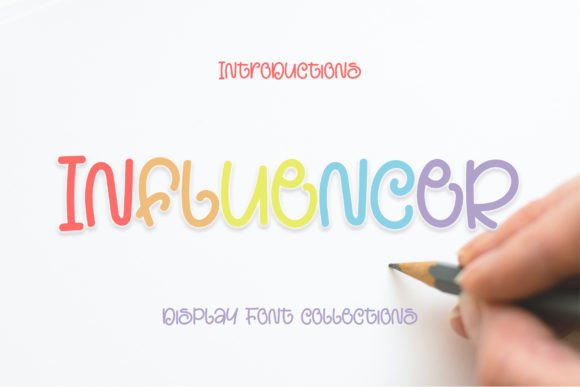
Influencer is a fun, cute, and expressive display font that feels both modern and approachable. It’s the kind of typeface that makes you smile the moment you see it. With its rounded edges and playful structure, it has a soft, handcrafted look that’s perfect for brands that want to feel friendly and creative. Whether you're launching a new product line or redesigning your website, Influencer adds a visual spark that helps your brand stand out in a crowded market.
How Influencer Elevates Real-World Business Materials
From the moment I started using Influencer across my branding materials, I noticed a difference in how customers perceived my business. Here are a few places where this font truly shines:
- Logos: A well-designed logo is the heart of your brand. Influencer works beautifully as a logo font for small businesses that want to feel personable and unique.
- Packaging: Whether you sell candles, skincare, or handmade soaps, Influencer adds a charming, boutique-style feel to product labels and boxes.
- Social Media: On Instagram and Pinterest, visuals are everything. Influencer helps your graphics pop, especially in quote posts, product announcements, and promotional images.
- Thank-you cards and stickers: Personal touches matter. Using Influencer for thank-you notes or branded stickers makes your customer experience feel more thoughtful and cohesive.
- Menus and flyers: If you run a café or boutique, this font brings warmth and clarity to printed materials without feeling too casual.
Why Typography Matters for Brand Trust
Typography is more than just aesthetics—it’s about how your brand communicates. When I first started my business, I used whatever fonts came pre-installed on my design software. The result? My branding looked scattered and unprofessional. Once I switched to a consistent typeface like Influencer, customers began to recognize my brand more easily. They trusted me more because everything looked intentional, polished, and put together.
Using a single, well-chosen display font like Influencer across your brand assets helps build consistency. That consistency builds recognition. And recognition builds trust—something every small business needs to grow.
When to Use Influencer in Your Branding
It’s important to use Influencer where it has the most visual impact. This is a display font, which means it's best used for headlines, titles, and short text rather than long paragraphs. Here are a few practical uses:
- Logo design: Perfect for a boutique, online shop, or creative service brand.
- Website banners: Use it for hero text or featured product titles.
- Social media headlines: Great for quote graphics, product launches, and event announcements.
- Product packaging accents: Use it sparingly on labels, tags, or packaging to highlight your brand name or product name.
Readability in Real Business Settings
One thing I always check before committing to a font is readability. Influencer is designed to be clear and legible even at smaller sizes, which makes it ideal for printed packaging, digital thumbnails, and mobile screens. I’ve used it on product labels and found that even when space is tight, the characters remain distinct and easy to read.
That said, I always test it in different formats before printing or publishing. I recommend doing the same—preview the font on a mockup of your packaging or a mobile screen to make sure it still looks sharp and professional.
Font Pairing Made Simple
While Influencer has a strong personality on its own, it pairs beautifully with clean, minimalist fonts. For example, I often combine it with a simple sans serif like Montserrat or Lato for body text. This contrast helps guide the viewer’s eye from the headline to the supporting content without overwhelming them.
Here are a few pairing ideas to try:
- Influencer + Montserrat: Modern and clean, great for websites and packaging.
- Influencer + Merriweather: Adds a classic, elegant touch for print materials.
- Influencer + Poppins: A soft, contemporary combo for digital marketing and social media.
Check Licensing Before You Launch
Before you use Influencer on product packaging, merchandise, or client work, always double-check the font’s licensing. Most display fonts come with a commercial license, but it’s important to confirm that you’re allowed to use it in the way you plan. This protects your business and ensures you’re using design assets responsibly.
Test It First, Then Commit
Any font you choose for your brand should feel right across all your materials. I always start with a small test—maybe a single label or a social media post—before rolling it out across my entire brand. Try using Influencer in a few mockups or printed samples to see how it looks in real life. If it feels consistent, readable, and aligned with your brand personality, it’s a go.
Real Business Examples That Work
I’ve seen Influencer used beautifully by a local bakery for their cupcake packaging. It gave their brand a sweet, handcrafted feel that matched their cozy shop vibe. A candle maker I follow online uses it for her product tags and Instagram stories, creating a cohesive look that customers instantly recognize.
Even service-based businesses like life coaches and boutique consultants have used Influencer for their website headers and digital downloads. It gives their brand a friendly, approachable tone that helps build trust with potential clients.